Each module can be attended as part of the full programme or, in some cases, as a standalone refresher. Enquire directly to discuss what makes sense for your situation and your team.
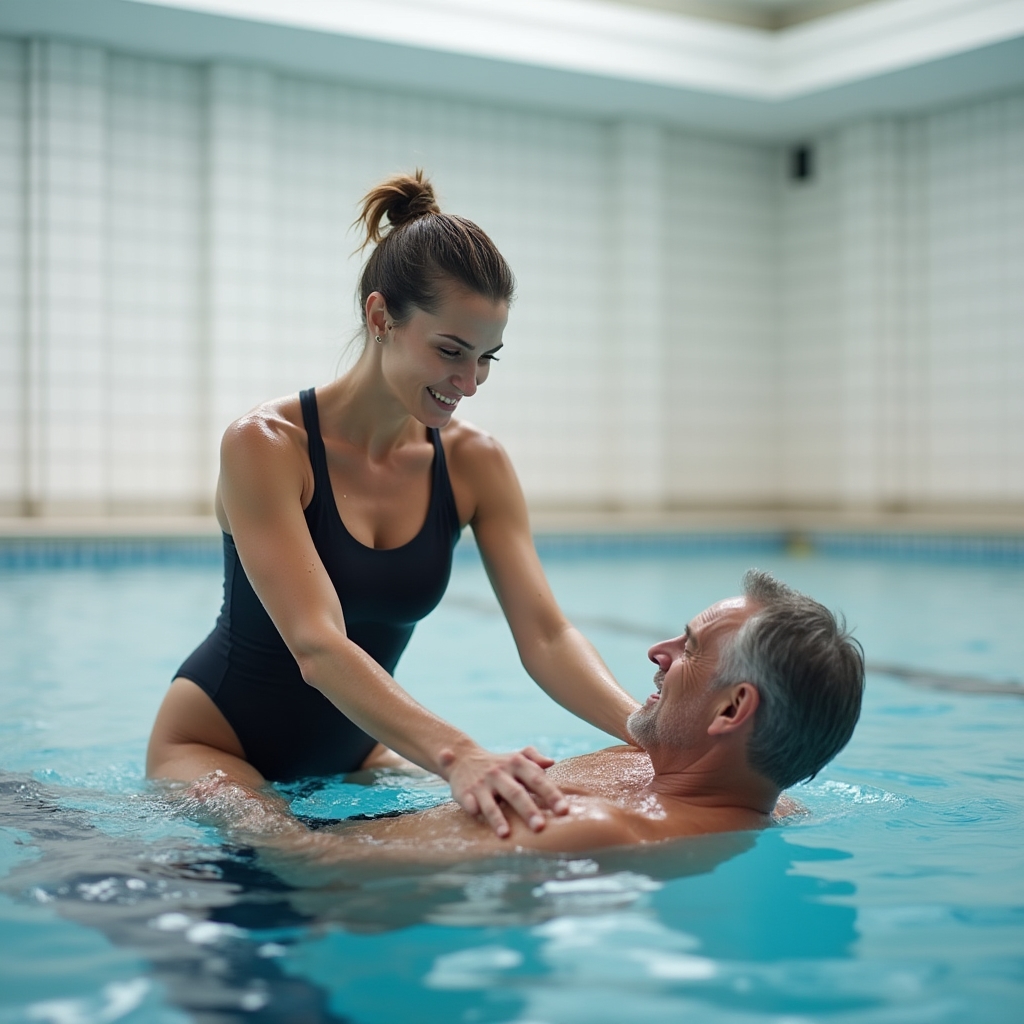
How you structure a lesson matters as much as what you teach. This module examines the principles that underpin effective aquatics instruction for both children and adults.
Children and adults bring very different relationships to the water. A five-year-old approaching a pool for the first time has anxiety rooted in the unfamiliar. An adult who hasn't swum since childhood carries something more layered, often connected to past experiences. The methodology module addresses both, helping instructors understand how to sequence skills, build confidence progressively, and adapt when a session isn't working.
Topics include skill progression frameworks, how to give feedback that motivates rather than discourages, handling the learner who is technically capable but mentally blocked, and structuring sessions for different age groups within community pool contexts.
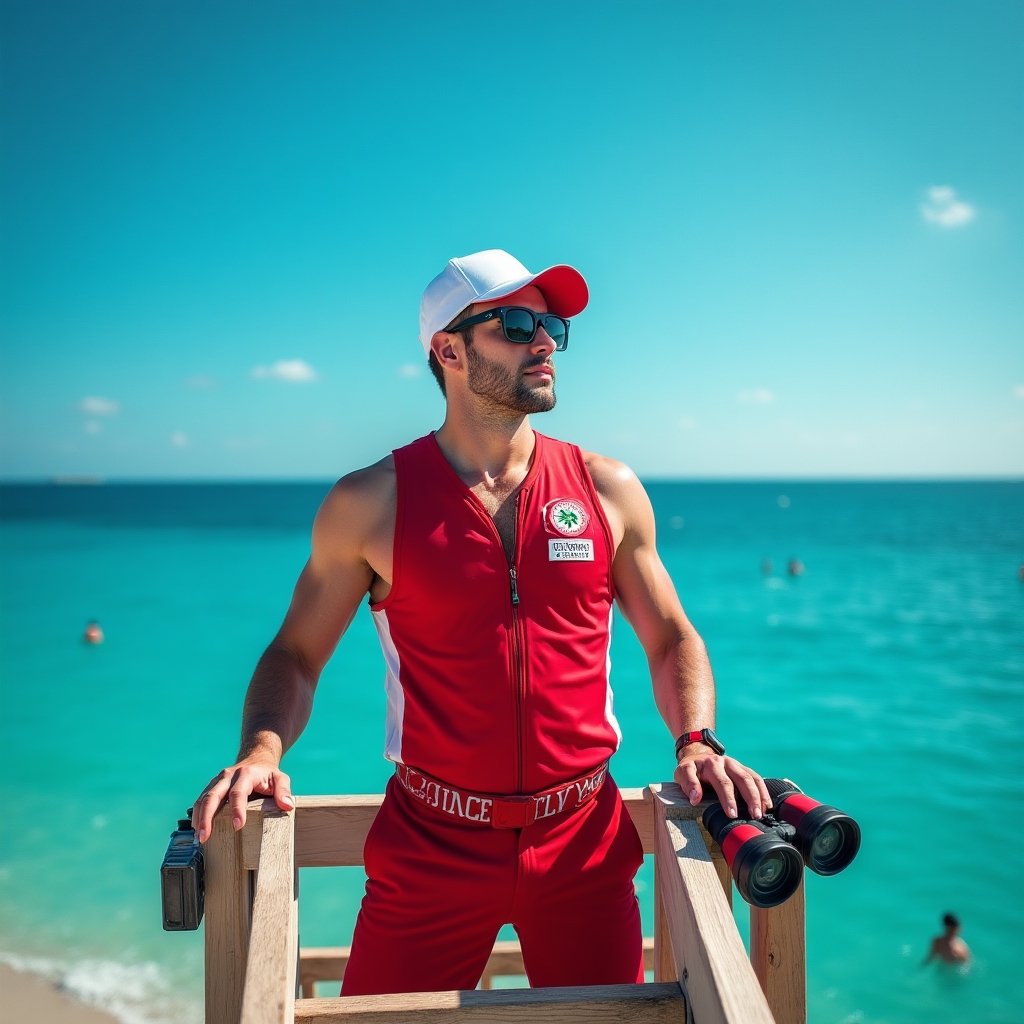
Pool safety and open water beach club safety are related but distinct disciplines. This module covers both with the specificity that each environment demands.
Hazard recognition in a controlled pool environment differs significantly from a beach club on the Mediterranean, where currents, wind, and varying visibility create a more dynamic risk profile. Instructors working across both settings need frameworks that flex to each context.
The module covers emergency action planning, supervision principles for different bather loads, risk assessment approaches, and the specific challenges of managing safety during peak summer periods at Israeli beach clubs. Participants work through scenario exercises that mirror real operational situations.
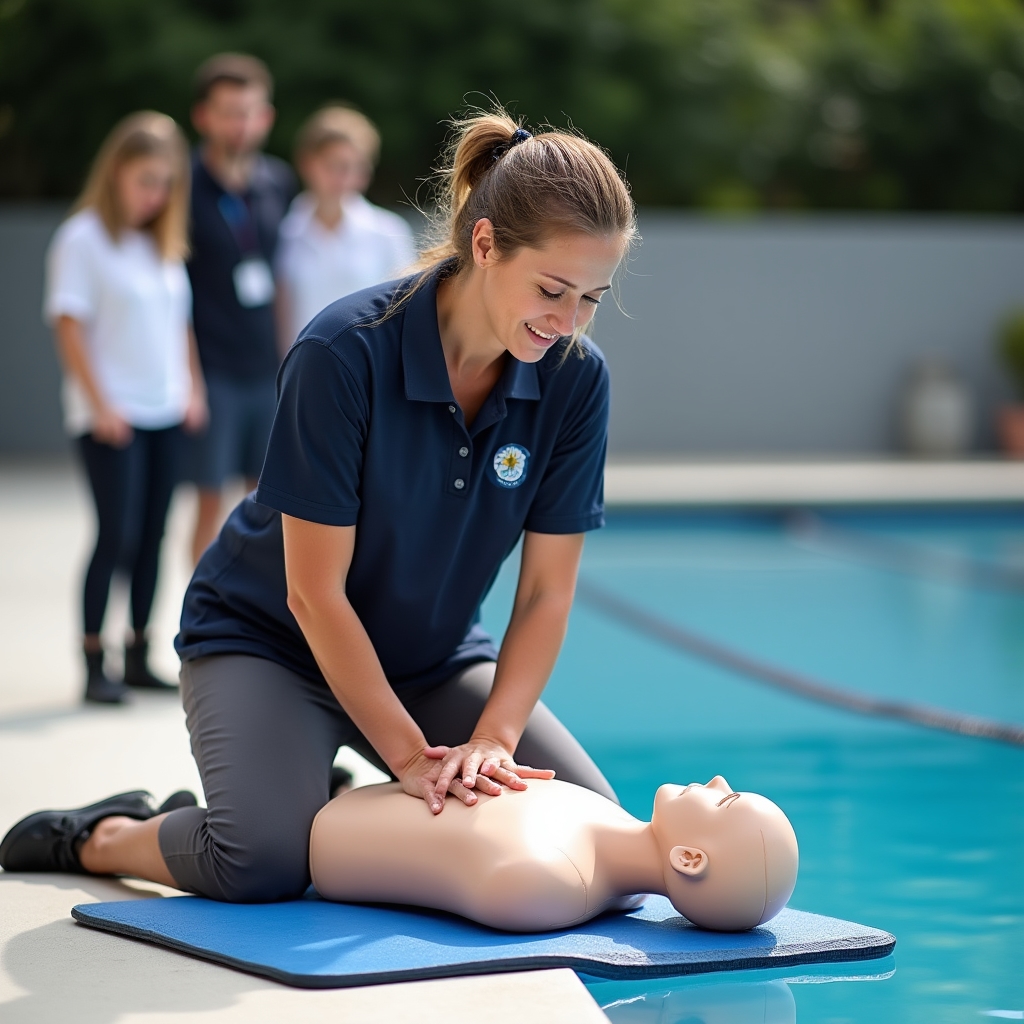
CPR training loses its practical value without regular reinforcement. This module provides hands-on refresher practice aligned with current Magen David Adom guidelines.
MDA periodically revises its CPR protocols as evidence and international standards evolve. Instructors and lifeguards who were trained some years ago may be working from outdated technique. This module ensures that participants are current with the compression ratios, rescue breathing approach, and AED use guidelines that MDA currently recommends.
The session covers adult, child, and infant CPR scenarios. Participants practice on manikins with coaching on technique quality. The module also addresses the psychological reality of performing CPR in an actual emergency, which differs substantially from a training environment.
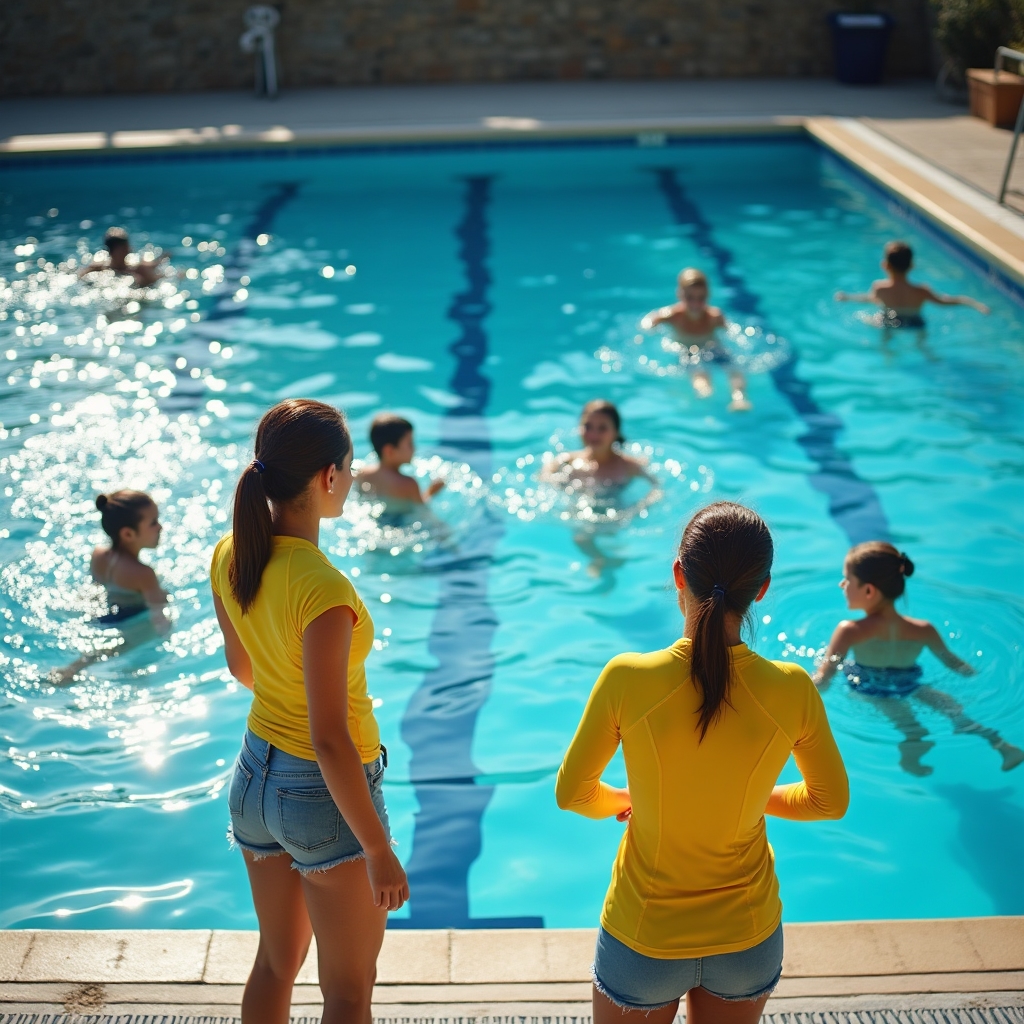
Community pools rarely offer the luxury of perfectly matched ability groups. This module gives instructors practical tools for running sessions where participants are at different stages.
Mixed-ability groups are the norm in community aquatics settings. Some participants move through skills quickly while others need more time and repetition. Managing the group so that more advanced swimmers aren't bored while less confident ones aren't rushed requires deliberate planning and flexible execution.
The module covers differentiated instruction approaches, using peer learning effectively, task design that accommodates multiple levels simultaneously, and how to structure a session so that each participant feels appropriately challenged. Specific attention is given to groups that include participants with physical or cognitive differences.
The relationship between an instructor and a child's parents is a professional one that requires its own set of skills. This module addresses that directly.
Parents have strong feelings about their children's progress in the water. Some are anxious. Some have unrealistic expectations about how quickly skills develop. Some are fully supportive and easy to work with. The module prepares instructors for the full range.
Topics include how to give progress updates that are specific and meaningful rather than vague reassurances, how to handle a parent who disagrees with your assessment of their child's level, and how to communicate about a safety concern without causing unnecessary alarm. Participants practice through role-play scenarios drawn from common poolside situations.
Whether you're looking to attend as an individual or organise training for your whole pool team, get in touch and we'll work out what makes sense for your situation.
Contact Bright Horizon